Most companies approach content production the same way they approach plumbing: they call someone when something breaks. The website looks dated, so they book a photographer. A trade show is coming, so they scramble for a video. A new product launches, and someone on the team takes photos on their phone because there is no time to schedule a real shoot.
This is the one-off model. It solves the immediate problem. And it guarantees that six months later, the same problem comes back — because the content is stale again, the library is thin again, and the brand is back to square one.
The companies building real visual equity are not working this way. They are building content libraries on retainer — ongoing production partnerships that create a compounding asset, not a depreciating expense. Content Marketing Institute found brands with documented content strategies are 60% more likely to succeed — and a retainer is how that strategy gets executed consistently.
Think about the difference between a company that books one photo shoot per year and a company that produces content monthly.
After 12 months, the first company has 40 images from a single day. Same lighting, same season, same team members, same facility setup. Those images carry the entire brand for a year, getting more stale with every month that passes.
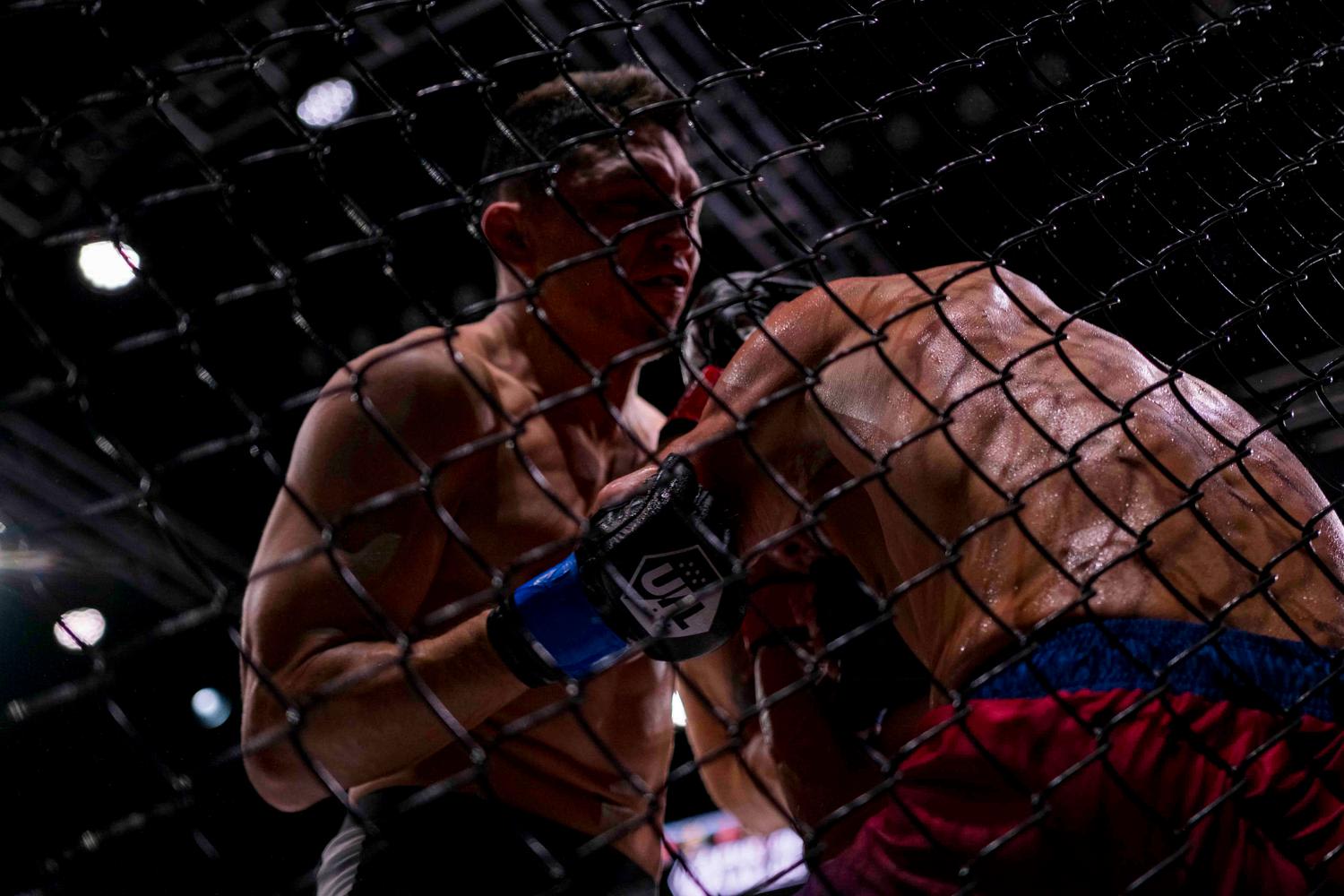
After 12 months, the second company has a library of 400+ assets spanning every season, every product line, every team member who joined that year, every project completed, every event hosted. Their social media shows range. Their website feels current. Their proposals include images from last month, not last year. Every new piece of content adds to the archive, and the archive works harder every month.
That is the compound effect. Content produced in January is still working in July — on the website, in email campaigns, in recruiting materials, in sales decks. And the content produced in July adds to everything January built. The library gets deeper, more versatile, and more valuable with every session. Understanding brand photography ROI makes it clear why this compounding model outperforms any single-project investment.
The one-off model has three structural problems that no amount of planning can solve.
It creates feast-or-famine content cycles. Right after a shoot, the brand has fresh content and posts regularly. Three months later, the library is exhausted, posting frequency drops, and the brand goes quiet. Audiences notice. Algorithms notice. Competitors who post consistently fill the gap. HubSpot research shows companies publishing 16+ blog posts per month see 3.5x more traffic — a pace that is simply not sustainable without a consistent content production system behind it.
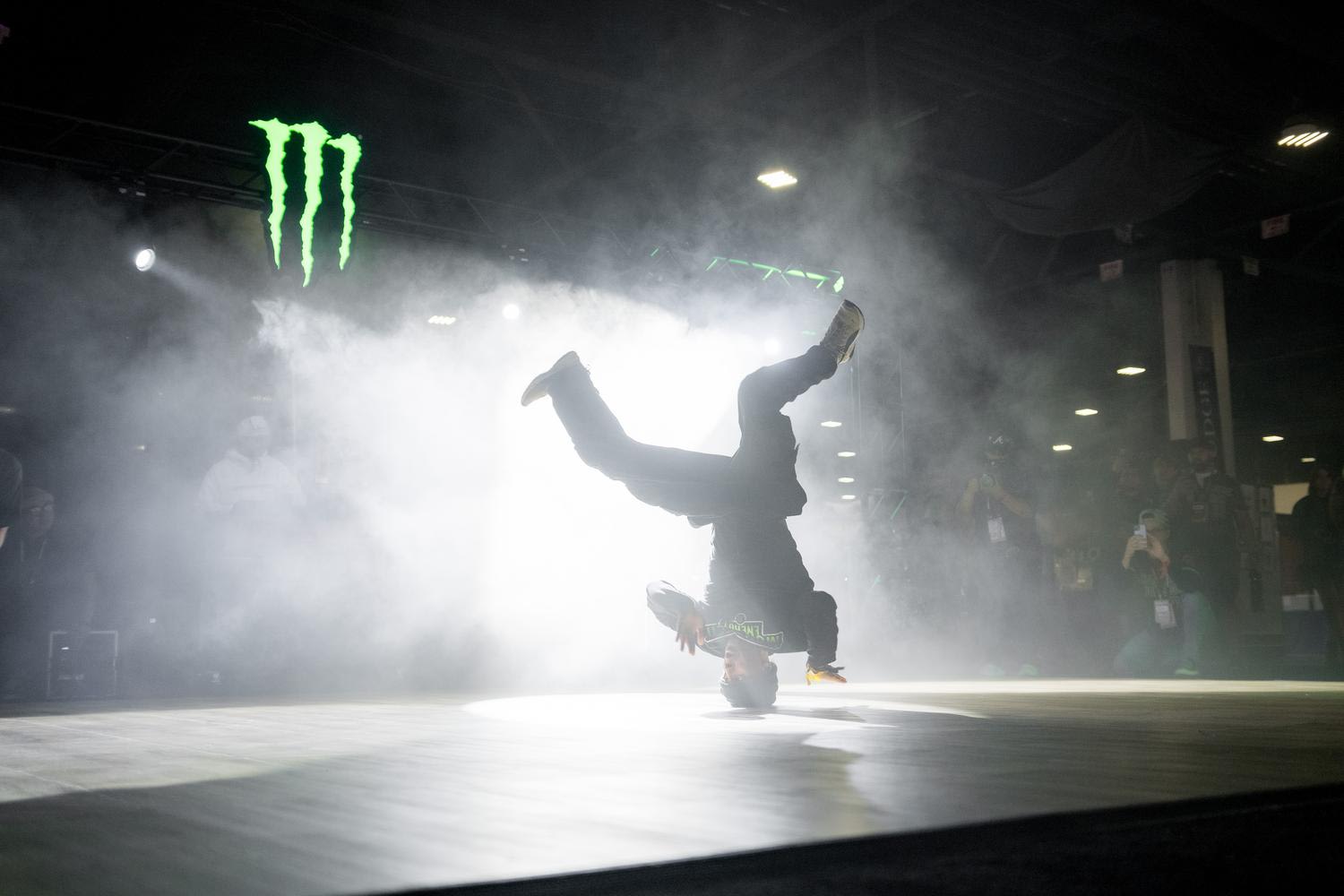
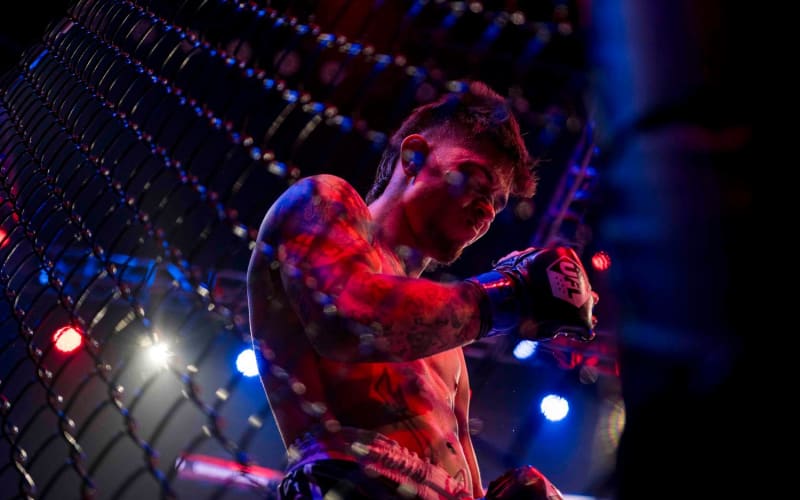
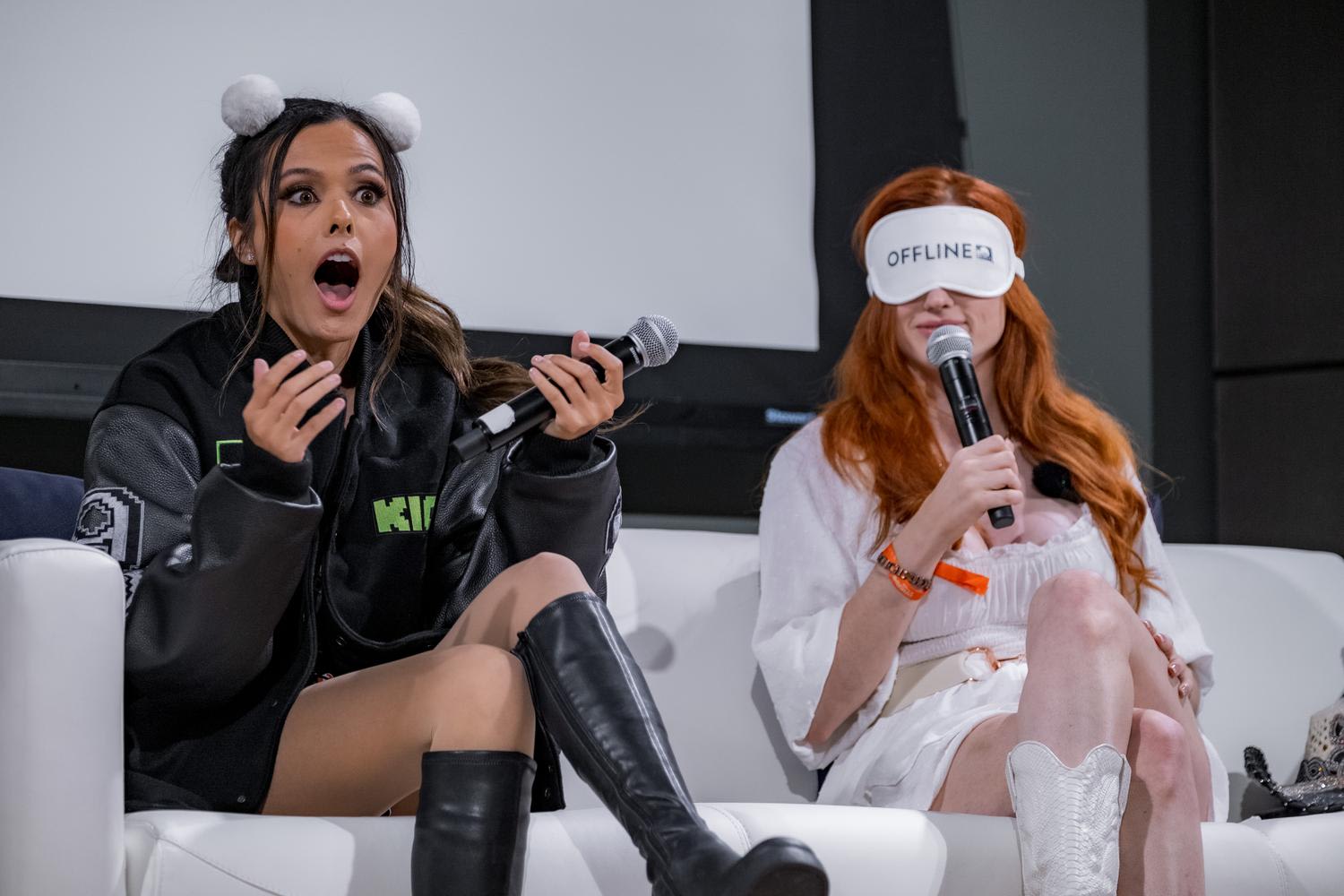
It misses the moments that matter. A single annual shoot cannot capture a new hire's first week, a seasonal product launch, a facility renovation, a team milestone, or a client project that finishes in October when the shoot was in March. The best content opportunities are unpredictable — and a retainer means there is always a production partner ready to capture them. That includes moments like event photography, which can yield an entire year's worth of content from a single well-documented occasion.
It costs more per asset. One-off shoots require full mobilization every time: creative planning, location scouting, scheduling, travel, setup. A retainer amortizes that overhead across monthly sessions. The per-image cost drops. The per-video cost drops. The creative relationship deepens, which means the production team knows the brand, knows the team, and spends less time getting up to speed and more time creating.
A content retainer is not an open-ended commitment to show up and shoot whatever happens. It is a structured production partnership with a plan, a cadence, and clear deliverables.
A typical month might include a half-day shoot covering new products, team updates, and facility documentation. The output from that session feeds the website, social media, email marketing, sales materials, and recruitment channels for the next 30 days — while the archive from previous months continues to work across those same channels.
The creative strategy evolves with the business. New service line? That becomes next month's focus. Hiring push? The next session prioritizes employer branding content. Seasonal campaign? The retainer flexes to match the business calendar. Social Media Examiner's industry report consistently finds that marketers who maintain regular content output outperform those who post reactively — and a retainer is the infrastructure that makes regular output possible.

Here is the part most companies do not consider until it is too late: a content library is a competitive moat. A company that has been producing professional content for 18 months has an archive that a competitor cannot replicate in a single shoot. The depth, the variety, the seasonal range, the documentation of growth over time — all of it is unique to that brand and impossible to shortcut.
Salesforce research shows 76% of customers expect consistent experience across every touchpoint — and a thin, outdated visual library makes delivering that consistency nearly impossible. The companies starting now are building that moat while their competitors are still debating whether to update the headshots on the About page. By the time the competitor books their first shoot, the retainer client is 200 assets ahead and accelerating.
Video is an increasingly critical part of that moat. According to Wyzowl's annual video marketing survey, more than 90% of marketers say video gives them a positive ROI — and brands with a consistent video library have a compounding advantage that one-off productions simply cannot replicate.
If your business is active, growing, and producing work worth seeing — one shoot per year is not enough. Your team is changing. Your products are evolving. Your customers and candidates are checking your channels every week, not once a year.
At VANTAS Productions, the retainer model is how we work. We operate on ongoing partnerships with brands across 10+ U.S. markets, supported by a network of 25+ creatives. That model exists because we have seen what happens when a brand commits to consistent, intentional visual content over time. The results compound. The library grows. The brand becomes unmistakable. If you are evaluating hiring a production company for the first time, understanding the retainer model upfront will help you ask better questions and make a smarter long-term decision.
If you are ready to stop scrambling and start building, book a discovery call with our Creative Director or reach out at hello@wearevantas.com. We will map out what a retainer looks like for your business and what the first 90 days of content would deliver.