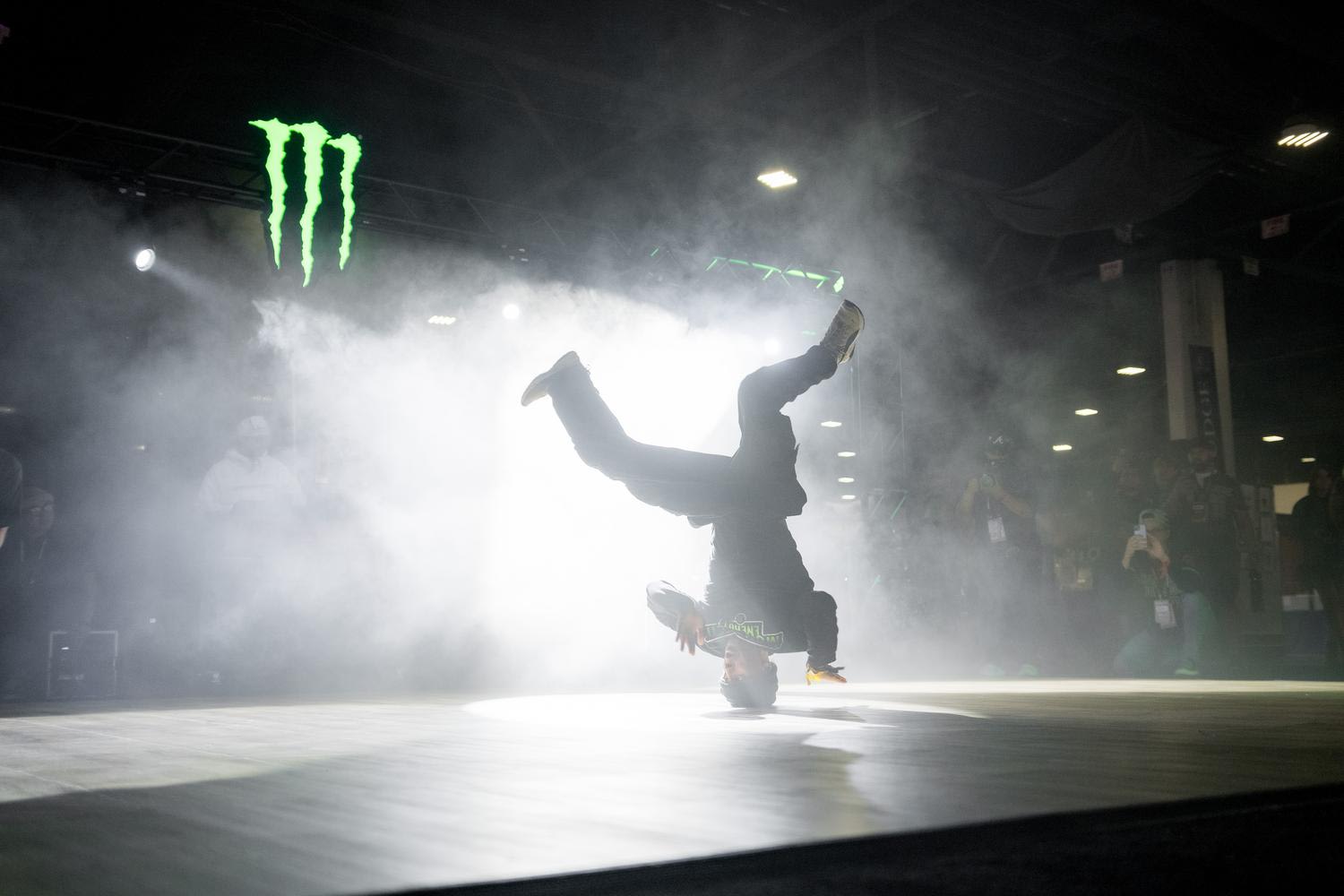
Sports brand photography is one of the most demanding categories in commercial visual production. Not because the gear is specialized (though it is), and not because the access is hard to get (though it can be). It is demanding because you cannot manufacture the moment after it passes. The referee's whistle does not pause for your light meter. That pressure is also the entire point.
If you are a sports marketing director, a brand manager at an athletic company, a corporate sponsor activation team, or an event organizer trying to build real marketing assets from your investment, this is the guide you actually need.
In a controlled commercial shoot, you can reset. You can adjust the light, reposition the talent, try it seventeen more times until the frame is exactly what you need. Sports does not work that way.
The game is happening. The athlete is performing. The crowd is doing what crowds do. The brand's banner is in the background or it is not, the athlete is wearing your jersey or they are not, and the moment that crystallizes everything your brand is trying to say either gets captured or it disappears. There is no reshooting the game-winning play, the overtime moment, the exhausted face after a loss, the locker room before the doors open.
That live, uncontrollable nature creates both the challenge and the opportunity. The challenge is obvious: speed, access, and decision-making under pressure. The opportunity is harder to replicate in any other production environment. Authenticity in a controlled studio is performed. Authenticity in a stadium is just what is actually happening. Nielsen Sports data on the role of visual content in sports sponsorship ROI consistently shows that audiences respond more deeply to candid, live-action sports content than to polished commercial setups. The real thing reads as real, and that credibility transfers to every brand in the frame.
The production skill in sports brand photography is not just technical. It is anticipatory. A great sports photographer reads the field before the play develops. They are already in the right position before the moment happens. That takes experience, preparation, and an understanding of the sport itself, not just the camera.
The answer is broader than most people assume when they first think about this category.
Professional and amateur sports teams need it for recruitment, fan engagement, season campaigns, and social content. A team's visual identity lives in its photography as much as its logo.
Sports equipment and apparel brands need it to show their products performing in real conditions. A football cleat on a white background and a football cleat mid-cut on a rain-soaked field are two entirely different commercial arguments. The field image does the selling work the studio image cannot.
Corporate sponsors are increasingly the clients who most depend on sports brand photography, and we will go deeper on this below. Sponsorship is not just signage anymore. It is content, and content requires production.
Venues and facilities need architectural and environmental photography that captures both the scale of the space and the human experience inside it. Drone photography for large venues changes the scope of what is possible here, giving venues and event organizers coverage that ground-level shooting simply cannot provide.
Sports events, from local tournaments to major invitationals, need documentation that serves both marketing and memory. Sports Business Journal research on sports brand visual content consumption makes clear that events with professional visual content outlive their dates in the marketing calendar, becoming assets that drive registrations for the next cycle.
Sports media and publishing organizations need editorial-quality imagery to tell athletic stories in print and digital contexts.
The thread connecting all of them: they need visual content that is honest about what sport actually is, which is competition, community, pressure, triumph, and the human beings inside all of it.
A complete sports brand photography library is not built from one type of shot. It requires several layers working together.

The high-speed, fast-glass work that captures the sport itself. This is where technical skill and sport knowledge converge. The right moment is usually a fraction of a second wide.
Controlled sessions, often done before or after competition, that give brands usable headshots and campaign imagery. These can be styled, lit, and directed precisely because time has been set aside for them. They anchor the human story.
The venue, the field, the weight room, the locker room, the bus ride. These shots build context and atmosphere. They tell the audience where the story happens, not just what happens.
The people in the stands, the kids at the youth clinic, the tailgate before the gates open. Sport is not just athletic performance. It is community gathering, and brands that understand that tell fuller stories.
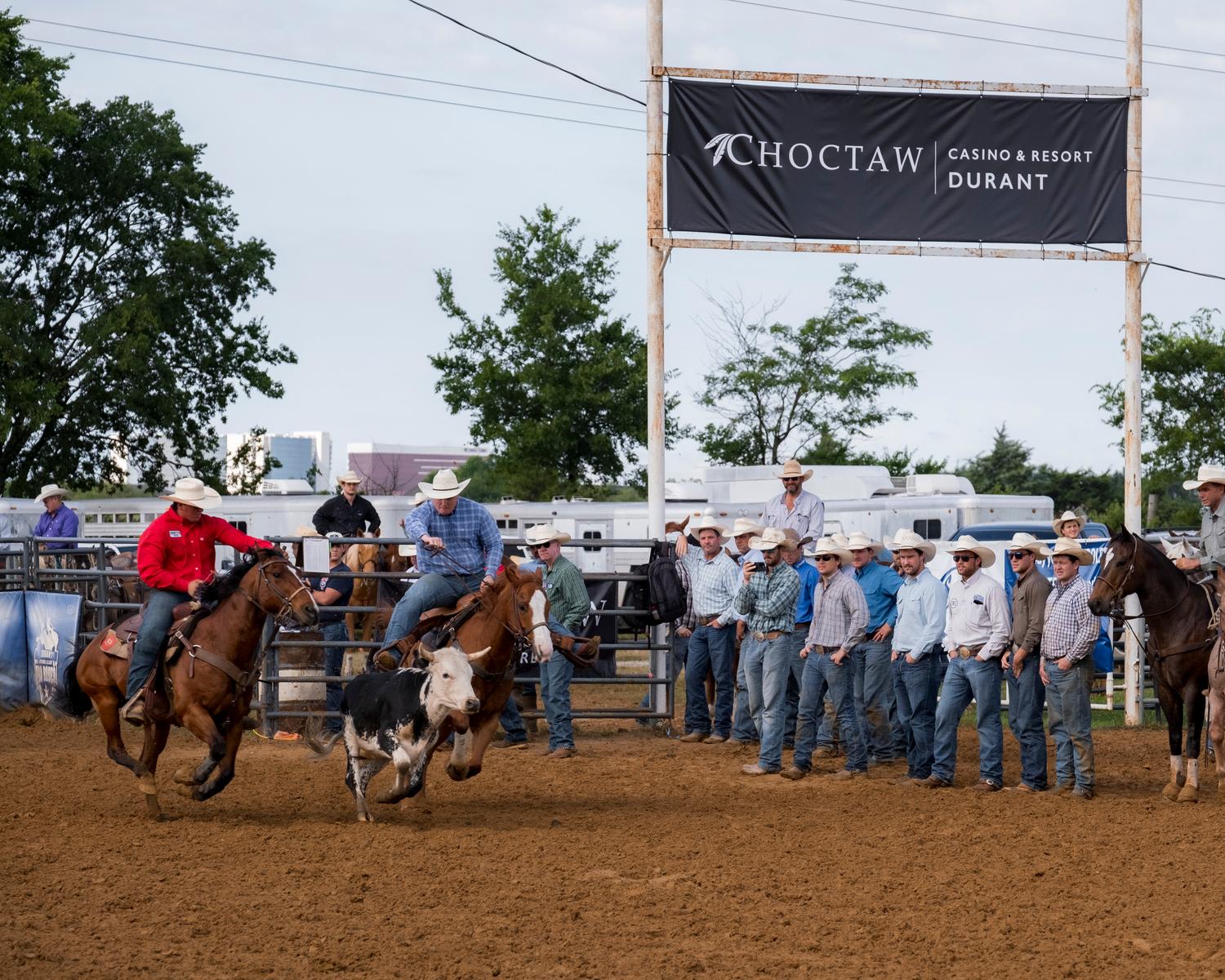
The sponsor's logo visible on the field, the athlete wearing the branded gear in a real moment, the activation tent surrounded by actual attendees. These shots are the deliverables that justify sponsorship investments. They have to look real because they are real, but they also have to be composed intentionally so the brand presence is clear.
Thinking about this as event photography as a brand asset changes the planning conversation. A single event, shot well, should produce months of usable content across multiple formats and channels.
Logo placement used to be the primary measure of sports sponsorship value. Your name on the scoreboard, your banner behind home plate, your patch on the jersey. Visibility was the metric.
That calculus has shifted substantially. PwC's Sports Industry Outlook reports sports sponsorship activation through digital content has grown 40% in five years, and the brands seeing the strongest return are the ones treating their sponsorship as a content production opportunity, not just a media buy.
Your logo on a jersey is worth a specific media value when the jersey appears on a broadcast. That same jersey, worn by the athlete in a documentary-style brand video that lives on YouTube and gets shared on Instagram, compounds in ways that a broadcast impression does not. According to Sportico's analysis of sports brand marketing trends, the most competitive brands in sports sponsorship are building content activation plans before they sign the deals, not after.
The practical implication for sponsors: you need a production partner who understands both the brand story and the sports environment. Dropping a corporate video crew into a stadium without sports production experience produces content that looks exactly like what it is: a corporate video crew in a stadium. The access, the angles, the moments, and the edit all reflect whether the team producing your content actually understands the sport.
The IEG Sponsorship Report on content activation and sponsor value measurement has tracked this shift closely, noting that content deliverables are now standard components of sponsorship agreements at every level, from league deals down to regional event partnerships.
When you are hiring a production company for sports sponsorship work, the questions to ask are specific: Have they produced content in live sports environments? Do they understand access protocols and credentialing? Can they show you examples where the brand presence reads naturally, not like a forced product placement? The answers to those questions separate sports production experience from general commercial production experience.
We are a Dallas-based human-story production company. That means our work across every category, sports included, centers on the people inside the story rather than the production surface around them.
For sports clients, that translates into a few specific things. We build shot lists that account for both the planned and the unplannable. We brief our crews on the sport and the specific event format before we arrive on site, because the best angles for a soccer match are different from the best angles for a basketball game, and preparation determines what you can actually capture when the action starts.
We work with teams, sponsors, and equipment brands to develop content strategies, not just shoot days. That means understanding what platforms the content will live on, what story each piece needs to tell, and how a single event can produce assets that serve the brand for months beyond the final score.
We have produced athlete content for regional brands building their first sports partnerships, and we have produced sponsor activation content for companies investing significantly in team and event relationships. The scale changes. The approach, which is to find the true story and capture it honestly, does not.
If you are building out a sports brand photography strategy, planning a sponsorship activation, or trying to turn a single event into a full content library, we would like to talk about what that actually looks like for your specific situation.
Start that conversation with us here.
What is sports brand photography and who needs it?Sports brand photography captures the visual story of athletic organizations, sports brands, sponsors, and events — from individual athlete portraits to game-day action, from venue architecture to locker room culture. It is used by professional and amateur sports organizations, equipment and apparel brands, corporate sponsors who need activation content, and event organizers who need documentation and marketing assets.How is photographing live sports different from other commercial photography?Sports photography requires anticipation, fast glass, and the ability to make editorial decisions in real time. A commercial product shoot allows you to reset. A sports shoot does not — the moment either happens or it does not. The best sports brand photography combines planned setups (portrait sessions, environmental shots) with live action capture, creating a mix of controlled brand imagery and authentic in-game or in-training moments that no amount of planning can replicate.What content do sports sponsors actually need from photography and video?Sponsors need visual proof of brand visibility (logo in frame, branded assets deployed), authentic integration shots (brand appearing naturally in the sporting environment, not just as a static billboard), athlete endorsement content with the sponsor product, and event-day documentation that can be repurposed for marketing and case studies. The value of sports sponsorship increasingly depends on the content activation, not just the logo placement.Should sports photography prioritize athletes or fans?Both — and the ratio depends on the brand's story. For team and athlete brands, the focus is on the people performing. For venue and event brands, the crowd experience matters as much as the action. For corporate sponsors, the brand integration into the sporting environment is primary. The best sports brand content tells the complete story: the competition, the crowd, the community, and the brand's place within it.How do you approach a sports photography project where access is limited?Access negotiation happens before the shoot — media credentials, field access, locker room permission, athlete time windows. A production company that has worked with sports organizations understands the hierarchy of access and how to brief clients on what is realistically available. When access is limited, the skill is making the available angles tell the complete story. Some of the most compelling sports brand content comes from the sidelines, the warmup room, and the post-game moments — not just the action on the field.