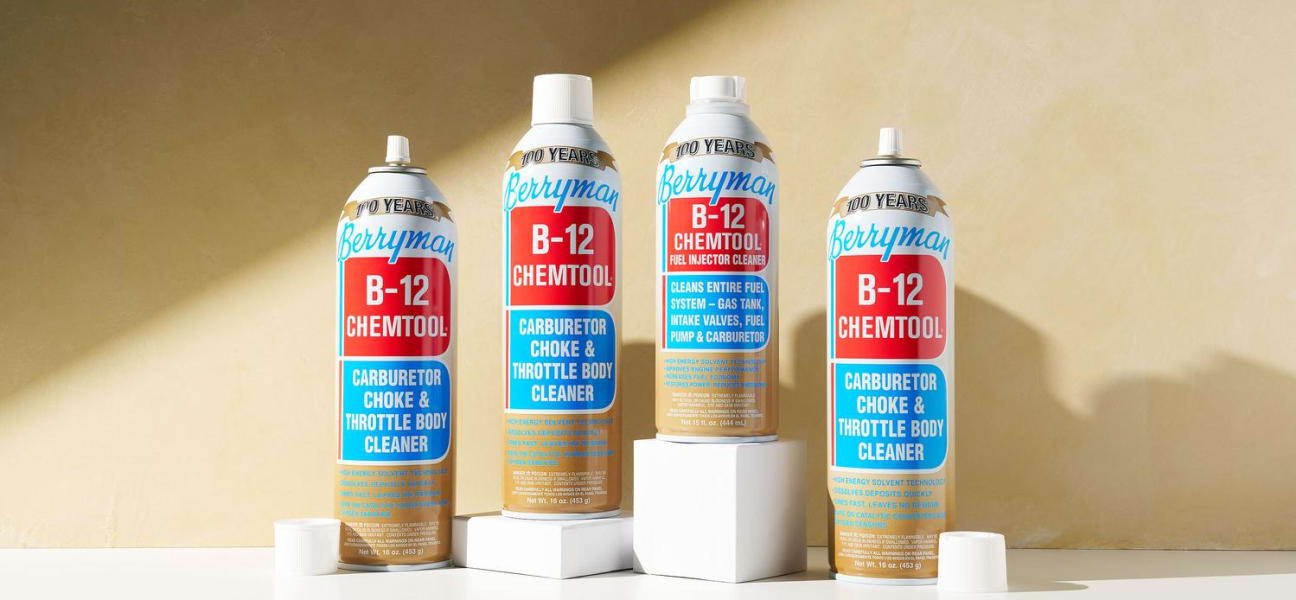
There is a manufacturer outside Dallas that makes the best brake parts cleaner on the market. Mechanics swear by it. Distributors reorder it without being asked. The formula has been refined across three generations of a family-owned chemical company.
For 15 years, their product photos were taken on a folding table in the warehouse with an overhead fluorescent casting a green tint across every can. The images looked like evidence photos, not brand assets. Meanwhile, a competitor with an inferior product had clean studio shots on every distributor page, every trade publication ad, and every shelf talker in every auto parts store in the country.
The better product was losing shelf space to the better photo. That is not a marketing problem. That is a visibility problem. And it is happening across every trade and industrial vertical right now.
Consumer brands figured out product photography decades ago. Every shampoo bottle, every sneaker, every phone case has been styled, lit, and retouched within an inch of its life. But industrial and trade brands — the companies making things that actually keep the world running — are still showing up with spec sheets and catalog photos from 2016.
The assumption is that B2B buyers do not care about visuals. They care about performance, price, and availability. And that is true — at the decision point. But before a buyer ever compares specs, they have to notice the product. They have to stop scrolling. They have to feel, even unconsciously, that this brand takes itself seriously.
3M research found that visuals are processed 60,000 times faster than text, and Thomas Net's industrial buyer survey found 86% of buyers use digital channels before engaging a supplier. Professional product photography is the fastest way to communicate quality before a single spec is read. A well-lit, properly styled product image says: this company invests in what it makes. It says precision. It says pride. A warehouse snapshot says: we will get around to it eventually.
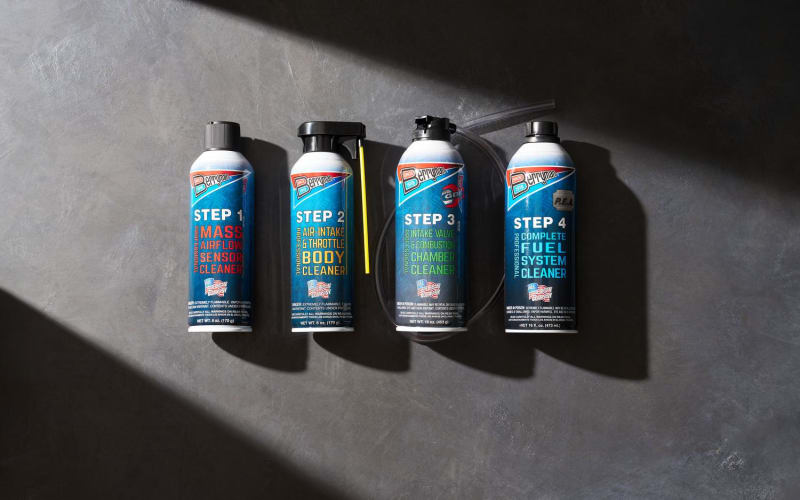
The difference between amateur product photos and professional ones is not the camera. It is the intention behind the image.
Good industrial product photography does three things simultaneously. First, it communicates the product's purpose — what it does, who it is for, and where it fits in the workflow. A brake cleaner photographed next to a rotor and caliper tells a different story than the same can floating on a white background. Second, it reinforces the brand's visual identity through consistent lighting, backgrounds, and styling that carry across the entire product line. And third, it creates assets that work across every channel — e-commerce listings, distributor catalogs, trade show displays, social media, and sales decks.
The companies getting this right are not spending six figures on a single shoot. They are investing in a systematic approach: one session that covers the full product line with enough variety to feed every channel for the next 12 months. Industrial Marketing Today research on B2B visual content effectiveness consistently shows that brands with cohesive, professional visual libraries outperform competitors in both engagement and conversion — and Content Marketing Institute's B2B benchmarks report confirms that visual content remains one of the highest-performing formats in industrial marketing.
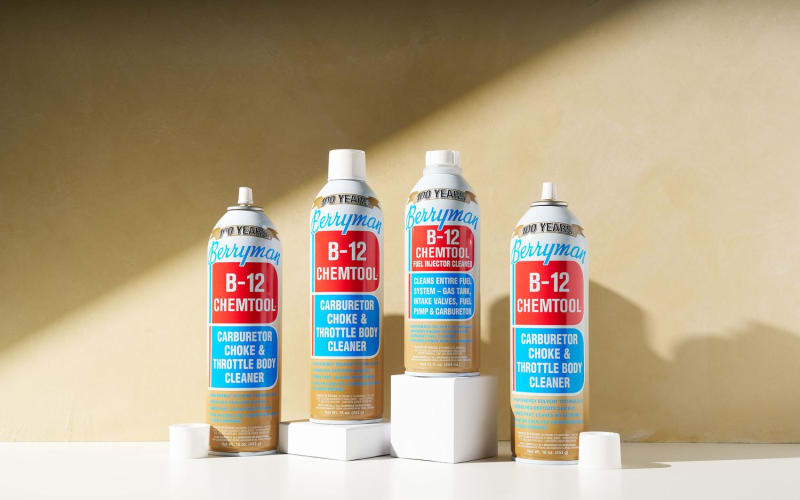
Here is a reality most manufacturers ignore: your distributors are using whatever images you give them. If you hand them a low-resolution JPEG pulled from a 2018 catalog, that is what goes on their website. That is what their sales team puts in proposals. That is what represents your brand in front of buyers you will never meet.
Now multiply that across 50 distributors, 200 retail locations, and a dozen online marketplaces. Every one of them is showing your product to potential customers using the images you provided. The ROI on a single professional product photography session is not measured in one listing. It is measured in every touchpoint where that image appears for the next three years.
The brands that provide their channel partners with high-quality, properly formatted product images sell more. It is that direct. Better images lead to better placement, which leads to more visibility, which leads to more orders — according to McKinsey's B2B customer experience research, consistent and high-quality visual presentation across channels is one of the most reliable drivers of B2B revenue growth.

Studio shots on white are necessary — they are the baseline for e-commerce and catalog use. But the brands building real visual equity go further. They shoot lifestyle context: the product in use, in the environment where it performs, in the hands of the people who rely on it. A mechanic reaching for a can of carburetor cleaner tells a story that no white-background shot ever will. This is the foundation of effective visual storytelling for manufacturers — connecting the product to the people and environments that give it meaning.
They also shoot for social. A dramatic low-angle shot with side lighting and concrete textures turns an industrial product into something worth stopping a scroll for. These are the images that get shared on trade forums, reposted by brand loyalists, and featured in publications that would never run a catalog photo. For brands with large facilities or complex operations, drone photography for facilities adds another dimension — giving buyers a sense of scale, capability, and operational depth that ground-level shots simply cannot convey.
If your product has been on the market for more than five years, if your customers reorder without being asked, if the people who use it trust it with their work — your product has earned better than a phone photo on a folding table.
At VANTAS Productions, we work with manufacturers and trade brands to create product photography that matches the quality of what is inside the packaging. Our work with Berryman Products — a multi-generational manufacturer of automotive chemical solutions — is a case study in what happens when an industrial brand treats its visual content with the same precision it puts into its formulas. When hiring a production company for industrial work, the right partner will understand not just how to light a product, but how to communicate what it does and who it is built for.
If your products are better than your photos, book a discovery call with our Creative Director or reach out at hello@wearevantas.com. No pitch deck. Just a conversation about what your product line could look like.
What makes product photography for industrial brands different from consumer product photography?Industrial product photography has to communicate functional precision, build quality, and scale — often to a technically sophisticated buyer who can detect quality cues. Consumer product photography is more emotional and lifestyle-driven. Industrial work requires understanding how the product is used, what the buyer's quality bar actually is, and how to show tolerances, materials, and craftsmanship in a way that earns technical credibility rather than just looking nice.Do industrial brands really need professional photography if they are B2B?More than ever. B2B buyers now conduct 70-90% of their evaluation process online before engaging a sales rep, according to Forrester. The photos on your website, your catalog, and your distributor listings are your first salesperson. Blurry warehouse floor snapshots communicate something about your quality standards even when you never intended them to.What equipment is typically involved in industrial product photography?Industrial shoots vary widely depending on scale. Small precision parts require controlled-environment macro setups — light tents, reflectors, precise positioning. Large equipment requires on-location setups with portable lighting rigs and high-resolution tethered shooting. Aerial drone work adds facility and scale context. A professional production company scopes the technical requirements per product category, not per a single setup that fits everything.How should industrial brands prepare for a product photography shoot?Clean and prepare the products before the shoot — dust, oil smudges, and wear are visible at professional resolution. Identify which products need the most coverage first, since shoots often end before the full list is complete. Designate someone from the team who can answer technical questions about the product and approve shots on location. Provide brand guidelines so the photographer understands the context.How long does a product photography shoot take for an industrial catalog?For a catalog of 20-50 SKUs with consistent backgrounds and no lifestyle context, allow 1-2 full shoot days and 3-5 days of post-production editing. For complex equipment requiring multi-angle setups, add 30-60 minutes per product. Lifestyle or in-use shots of industrial equipment (forklift operating, tool in hand, machine on the floor) require location setup and are typically scoped separately.