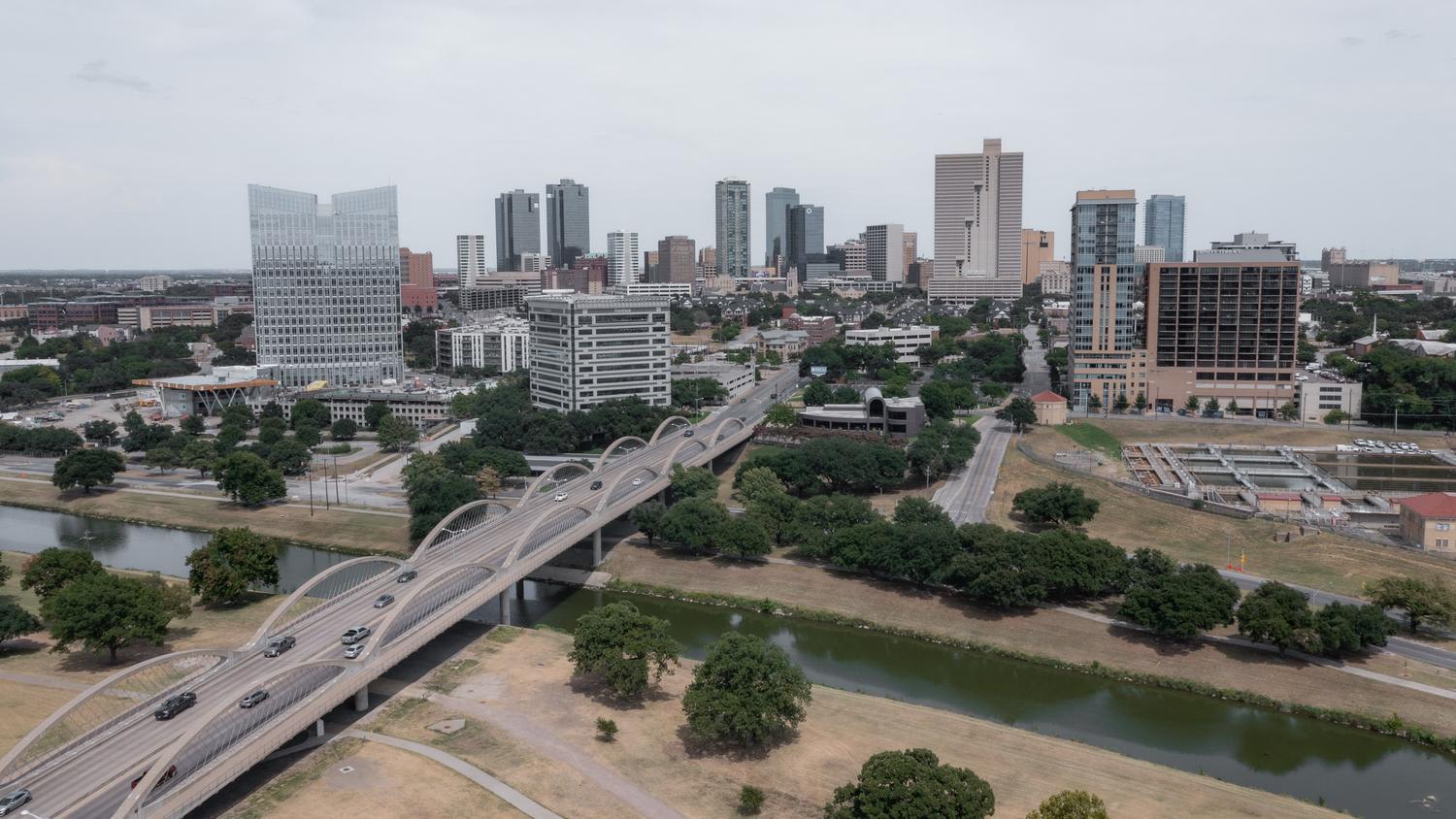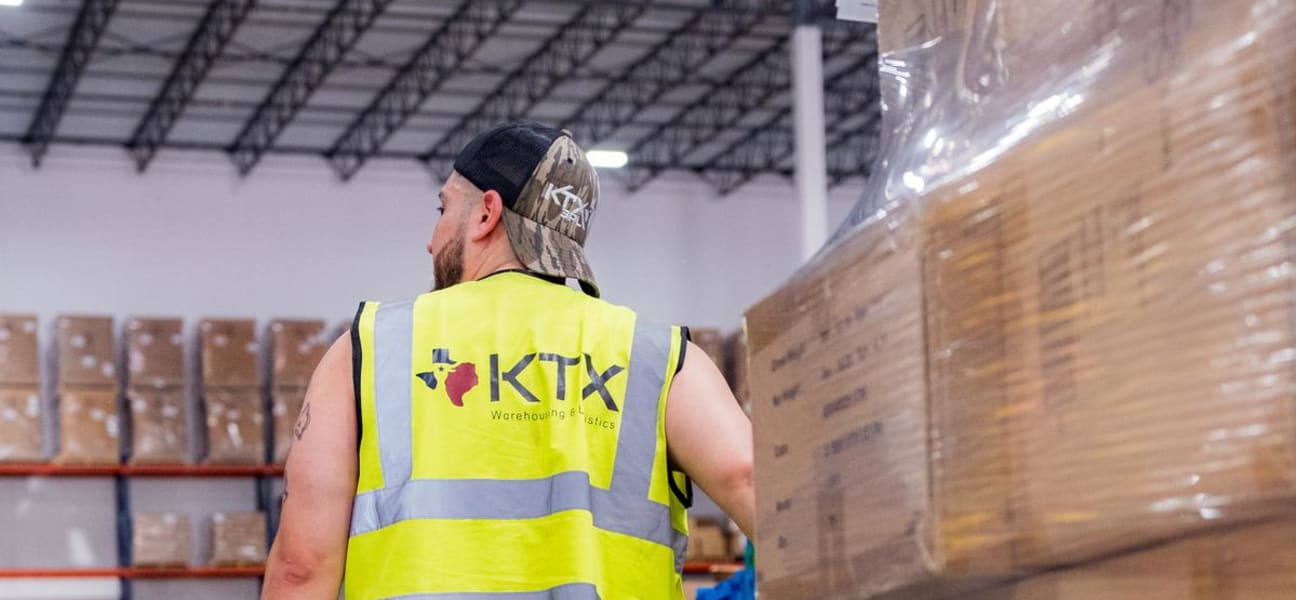
There's a welder in Fort Worth who's been running the same shop for 31 years. His team fabricates structural steel for hospitals, schools, bridges. Every piece is inspected twice. His phone rings because his name gets passed around job sites like currency.
He has no website photos. His Google listing uses a stock image of a wrench on a blueprint. His competitors — the ones with half his experience — have drone footage, crew portraits, and project walkthroughs on their homepage.
Guess who's getting the call from the next general contractor scrolling Google at 6 AM.
This is the gap. Industrial brands — manufacturers, contractors, HVAC companies, logistics operations, trades of every kind — sit on decades of earned credibility and tell none of it visually. Meanwhile, the market is shifting underneath them.
According to the Content Marketing Institute's 2024 Manufacturing Report, 71% of manufacturing marketers say content marketing has become more important to their organization in the past year. Yet only 29% rate their content marketing as "very" or "extremely" effective. The ambition is there. The execution isn't.
Thomas Publishing found 96% of industrial buyers use digital content to evaluate suppliers — and Forrester research shows B2B buyers complete 70% of the purchase process before speaking to a sales rep. For manufacturers and trades companies competing locally, that's not a nice-to-have. That's the difference between showing up and disappearing.
But here's what the stats miss: industrial companies don't need more content. They need honest content. A 30-second video of a CNC operator running a precision cut tells a better story than a 60-page capabilities deck. A photo of a 20-year employee's hands on a machine says more than a paragraph of "excellence in manufacturing" copy ever could.
The industrial marketing landscape has split into two camps.
Camp one: Companies still relying on stock photos, clip-art logos, and trade show booths as their entire visual identity. Their websites look like they were built in 2014 because they were. Their social media is either nonexistent or a graveyard of product spec sheets nobody engaged with.
Camp two: Companies investing in real photography, real video, real stories about their people and process. They're showing up in search. They're attracting talent. They're closing contracts with customers who felt something before the first phone call.
Camp two is smaller. But it's growing fast. And the companies making that shift now are building a visual moat their competitors can't cross overnight. Brand photography and video content compounds. Every shoot adds to the library. Every piece of content works for years. The companies who start now own the visual narrative for their market. The ones who wait will be playing catch-up against an archive they can't replicate.
Manufacturing Marketing Group's B2B visual content research consistently shows that industrial brands with documented visual content libraries close longer-term contracts and retain clients at higher rates than those without. The story compounds just like the content does.
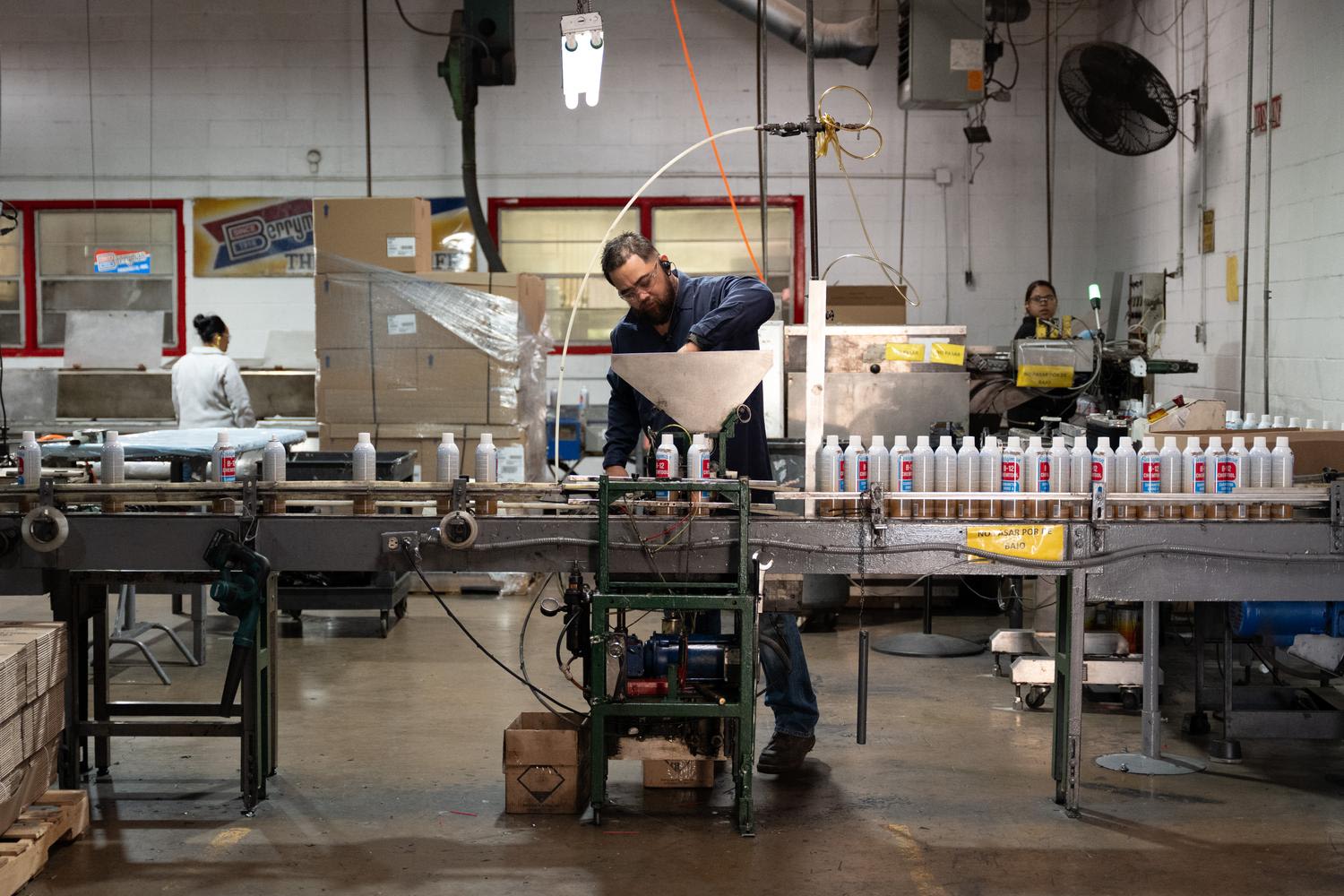
The skilled trades labor shortage is real and it's accelerating. The Associated Builders and Contractors estimated the construction industry needs to attract roughly 501,000 additional workers in 2024 alone to meet demand. The National Association of Manufacturers reports that 65% of manufacturers say attracting and retaining a quality workforce is their primary business challenge.
Here's what most industrial companies miss: the next generation of skilled workers isn't reading job boards. They're scrolling. They're watching. They're making decisions about where to work based on what a company looks like online.
A 22-year-old considering a career in HVAC installation, welding, or CNC machining is going to Google your company before they apply. If what they find is a stock photo and a paragraph about "competitive wages," they move on. If what they find is a video of your shop floor, your team, the actual work — if they can see themselves there — you just won a candidate your competitor didn't even know existed.
The companies showing what the work actually looks like are filling roles faster. It's that simple.
Industrial brands often hesitate on visual content because they think it has to look like a Super Bowl ad. It doesn't. The most effective industrial content is honest and specific:
A family-owned HVAC company with 40 years of trade loyalty and zero Instagram followers has more narrative depth than a trendy restaurant with 40,000 followers and nothing to say. The story is already there. It just needs someone to capture it with intention.
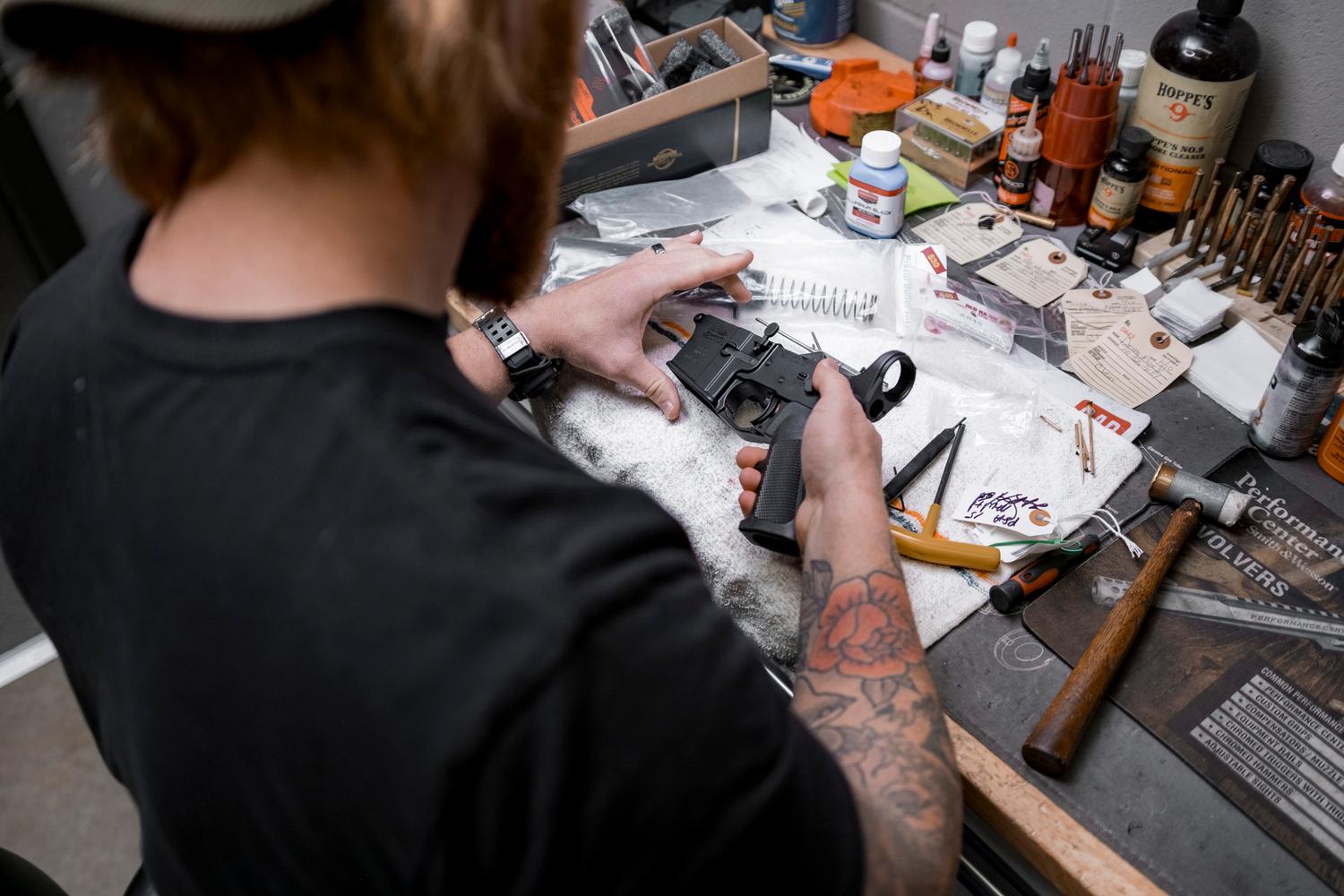
According to the 2025 Edelman B2B Thought Leadership Impact Study, trust is now the single most important factor in B2B vendor selection — outranking price and product features in many categories. For industrial brands, that trust is built over years of consistent work. Visual storytelling is how you make that trust legible to someone who hasn't seen your shop floor yet.
And LinkedIn's B2B Institute research on brand building in manufacturing reinforces this: the industrial companies investing in emotional brand content — not just product specs — are capturing disproportionate share of future buying intent. The buyers who aren't in the market today remember who showed them something worth remembering.
At VANTAS Productions, we work with industrial brands because we believe they have the strongest stories in business. Not the most polished. Not the most Instagram-ready. The strongest.
We operate on retainer with brands across 10+ U.S. markets, supported by a network of 25+ creatives. That model exists because good visual storytelling isn't a one-time project. It's an ongoing translation of what your company does into content your customers, employees, and community can feel. If you're evaluating your options, read our guide on what to look for when hiring a production company before you make a decision.
Our work with Berryman Products — a manufacturer of automotive chemical solutions — is a good example of what happens when an industrial brand invests in real content. The product is a spray can. The story is the decades of engineering and testing behind every formula, the mechanics who won't use anything else, and the family legacy that keeps the standard where it is. That's what the camera captures. Not the can.
The pattern is the same whether we're shooting a manufacturing facility in Dallas, a fleet operation in Nashville, or a construction crew in Denver. Find the human thread. Make people feel it. Build a library that works harder every month.
If your company has been in business for more than a decade, if your customers come back because they trust the work, if your team takes pride in what they build — you already have the hardest part handled. You have a story. Most brands spend years trying to manufacture one. Yours is real.
The only question is whether the people who need to see it ever will.
We'd like to help with that. If you're a manufacturer, contractor, or trades company ready to show people what you actually do, book a discovery call with our Creative Director or reach out at hello@wearevantas.com. No pitch deck. Just a conversation about your story and what it could look like.
What is visual storytelling for an industrial or manufacturing brand?Visual storytelling is the use of photography, video, and designed visual content to communicate why a company exists, how it operates, and what makes it worth trusting — not just what it sells. For an industrial brand, that might mean documenting 40 years of hand-built craftsmanship, the faces of the machinists behind a precision component, or the scale of a facility that most competitors cannot match. The subject is industrial; the technique is narrative.Do industrial buyers actually respond to emotional storytelling?Yes, and Forrester and LinkedIn research both confirm it. The myth of the purely rational B2B buyer has been debunked repeatedly. B2B buyers are humans who work inside organizations, and they prefer working with vendors they trust, respect, and feel a connection to. A manufacturer with a compelling founder story and compelling visual proof of their craft wins deals over an identical competitor with better specs and worse storytelling.What kind of visual content works best for manufacturing and trades companies?The highest-performing content for industrial brands consistently falls into three categories: process documentation (showing how you actually make things), scale demonstration (showing the scope of what you have built), and people-centered storytelling (showing the team behind the work). Drone footage works well for scale. Tight close-up photography works well for craft and precision. Documentary-style video works well for process and people.How is visual storytelling different from marketing photography?Marketing photography shows your best product shot against the cleanest background. Visual storytelling shows the people, process, and context that give the product meaning. Both have a role, but visual storytelling has a longer shelf life and builds deeper brand equity. A great product photo says "this is a quality item." A great visual story says "these are the people who care enough to make it this way."How should an industrial brand start with visual storytelling if they have no existing content?Start with one authentic story and document it completely. Identify the most compelling human narrative in your company — the founder's 30-year journey, the craftsman who has been with you since day one, the product that took three years to perfect — and produce a short video or photo essay that tells that story in full. This one piece of content creates the template and tone for everything else.