A skilled candidate with two offers will look up both companies before choosing. Pay and commute are often close. What tips the decision is what they can see of the place they would work. For how we plan and run these shoots, see commercial photography in Dallas.
One company shows a stock photo of a handshake, a paragraph about competitive benefits and a careers page that links to a generic form.
The other shows its actual team on actual job sites, a short video of the work, and recent photos of the crew. The candidate can picture working there.
He applies to the second company before he finishes his coffee.
This is not hypothetical. This is how hiring works now, especially in the trades. And the companies that understand it, and invest in brand and team photography, are filling roles while their competitors wonder why nobody applies.
The skilled trades labor shortage is well documented. Associated Builders and Contractors estimated the construction industry needed to attract 439,000 net new workers in 2025 and will need 499,000 in 2026. Manufacturers regularly name attracting and retaining a quality workforce among their biggest business challenges. These are not new problems.
What is new is the channel through which the next generation makes employment decisions. They are not reading job boards. They are not driving past your shop and walking in. They are scrolling. They are watching. They are making judgments about where to work based on what a company looks like online.
This is where employer branding photography becomes a hiring tool, not a marketing expense. The visual presentation of your company, your team, your facility, your culture, is now the first interview. And most companies are failing it without knowing they are being evaluated. Job seekers look at an employer's reputation and online presence before they apply, and the companies that show themselves well give candidates a reason to choose them.

This is not about headshots. Corporate headshots have a role, and a company page with real employee photos feels more credible than one without. But headshots alone do not tell a story about what it is like to work somewhere.
Employer branding photography captures the full picture of a workplace. The candid moments on the shop floor. The team lunch on a Friday. The apprentice getting coached by the veteran. The facility in action, not posed, not staged, but documented as it actually operates.
The most effective employer branding content falls into three categories.
Team in action. Photographs of your people doing the work they are proud of. Not looking at the camera. Not holding tools like props. Actually working, captured by someone who knows how to find the compelling frame in an ordinary moment.
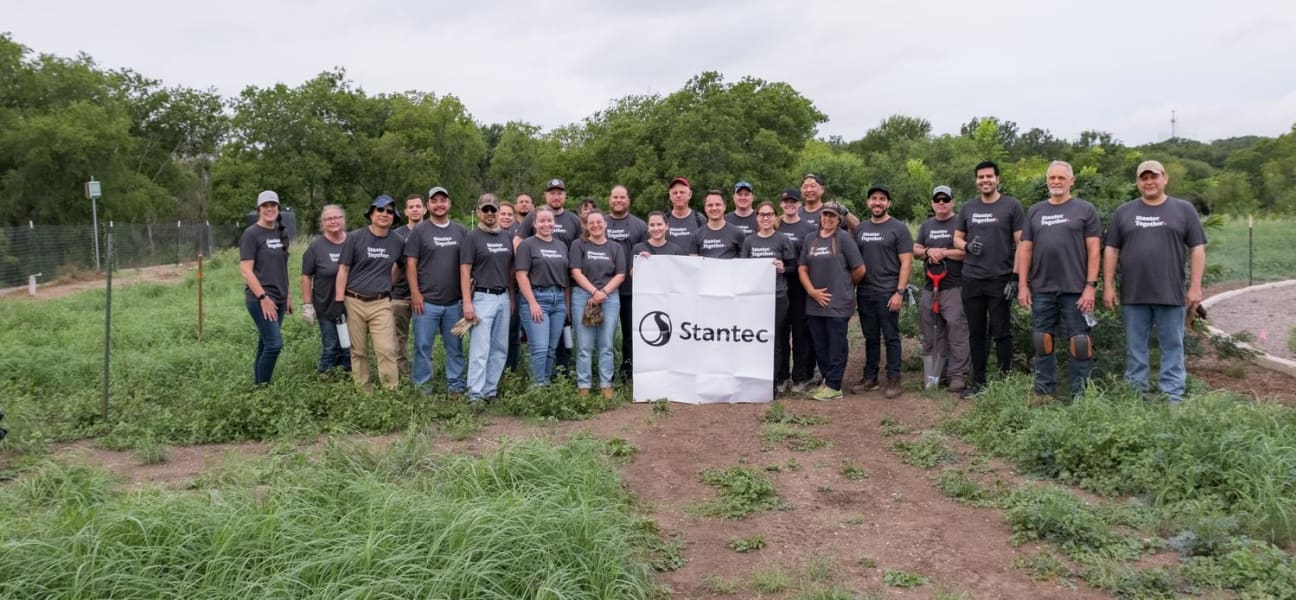
Culture documentation. Company events, volunteer days, team celebrations, milestones. These images answer the unspoken question every candidate has: "Will I belong here?" A photo of your crew at a community service project says more about your culture than any "About Us" page ever could. Candidates tend to trust real workplace imagery more than polished corporate messaging.
Environment and facility. Clean, well-lit photos of where the work happens. The shop floor organized and operational. The fleet lined up. The break room that the team actually uses. Candidates want to see themselves in the space before they walk through the door, just like diners want to see the restaurant before they make a reservation.
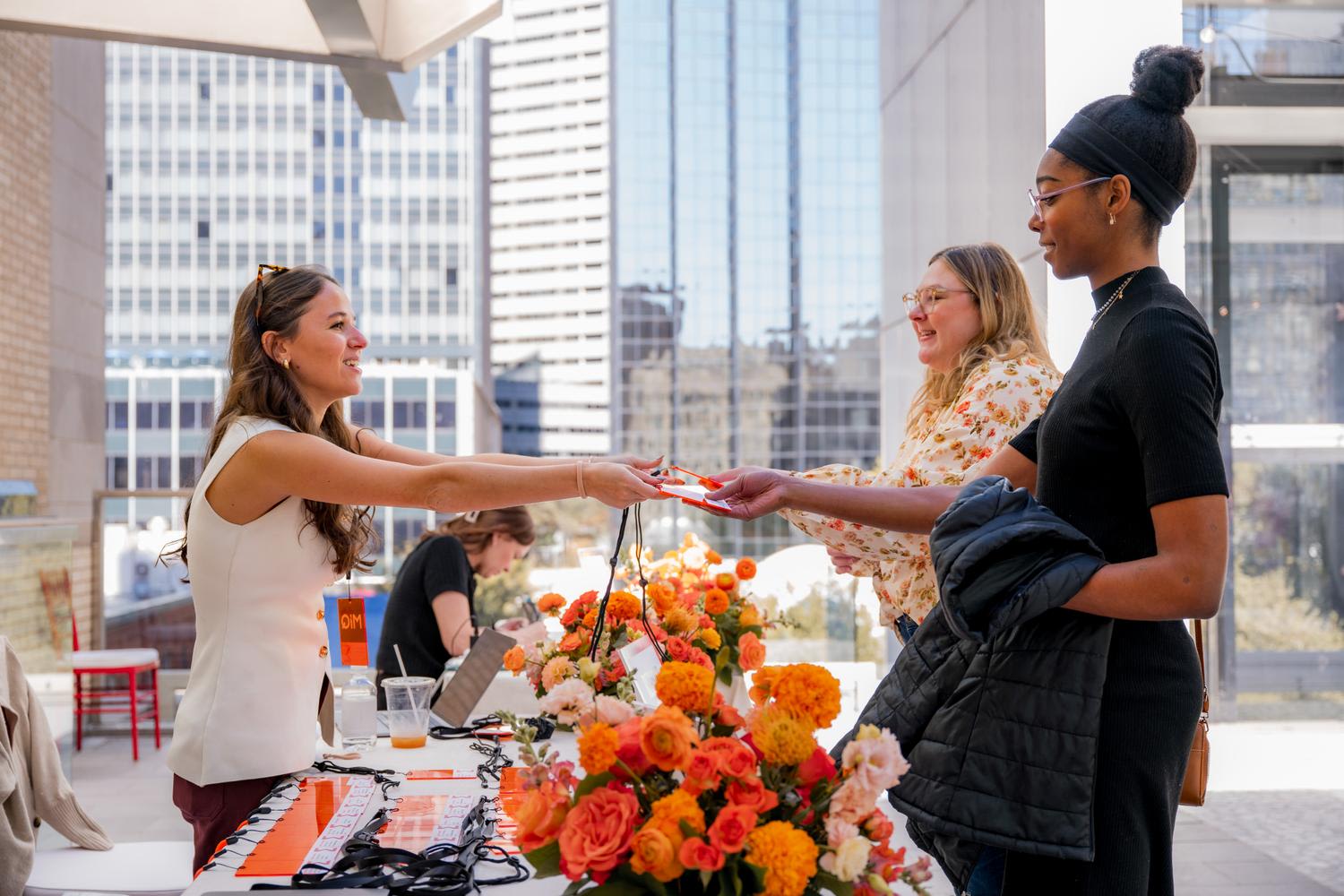
The biggest mistake companies make with employer branding photography is treating it as a one-time project for the careers page. The real value comes from distributing these images across every touchpoint where a potential employee might encounter your brand.
Your Google Business listing. Your LinkedIn company page. Your Instagram and Facebook feeds. Your job postings, not just on your website, but on Indeed, LinkedIn Jobs, and trade-specific boards. Your recruiting emails. Your employee referral materials. Every one of these touchpoints is an opportunity to show candidates what your company actually looks like. Candidates are more willing to apply when they can see real visual content from inside the company.
The companies filling roles fastest are not the ones with the best compensation packages. They are the ones with the best visibility. When a candidate can see the work, see the team, and see the environment before they ever apply, the hiring process starts from a position of trust instead of uncertainty.
Pairing strong still photography with behind-the-scenes content, short video clips, day-in-the-life reels, and candid team moments, multiplies the reach and impact of every shoot. Static images anchor your careers page and job postings; motion content drives organic discovery on social platforms where your next hire is already spending time.
If your employees are proud of where they work, if they stay, if they refer their friends, if they take ownership of the quality, you already have everything you need. The story is there. The culture is there. The only gap is between what your team knows and what a candidate can see.
If you are evaluating vendors and want to understand what separates a strong employer branding partner from a generic photographer, our guide on hiring a production company walks through exactly what to look for before you commit to a shoot.
At VANTAS Productions, we build employer branding content into every engagement with our clients. Team portraits, facility documentation, culture coverage, and event photography are not separate services, they are part of building a complete visual library that works for hiring as hard as it works for marketing.
If your team is better than your job postings suggest, book a discovery call with our Creative Director or reach out at hello@wearevantas.com. We will help you show people what it actually looks like to work here.